
Histories That Matter: The Case for Applied Economic History
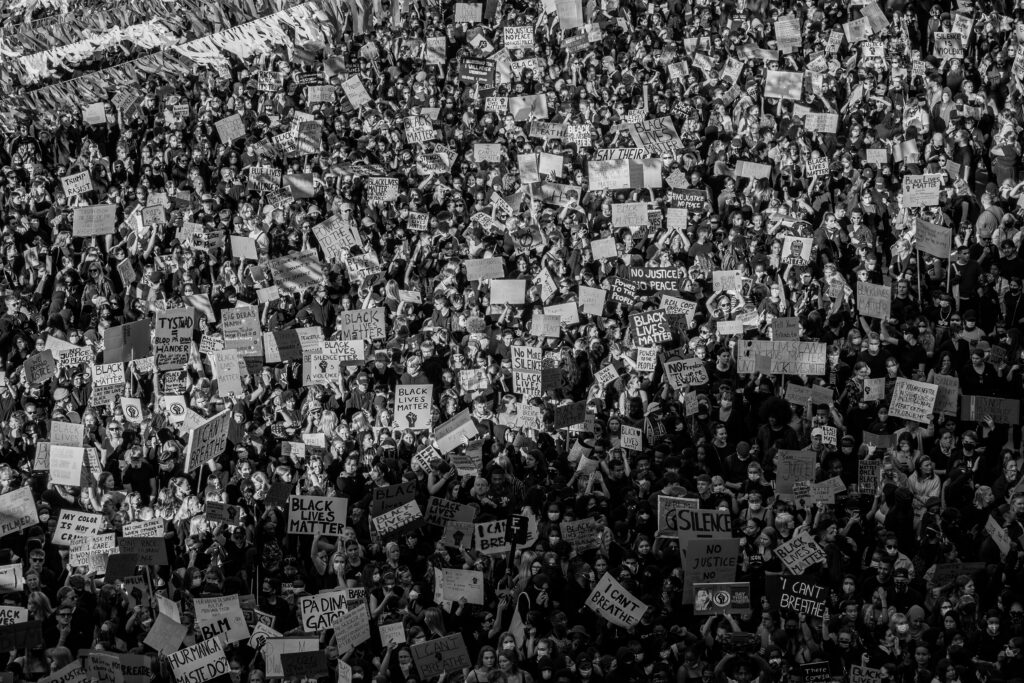
Abstract: We define applied economic history as the systematic use of historical reasoning to address economic policy problems. Building on work in applied history, we argue that economic history contributes to policy not by offering ready-made lessons, but by disciplining the narratives and analogies that policymakers and the public use. Unlike conventional economic history, which […]
Applied Economic History as Practical Historicism: Encouraging Policymakers to Reason with the Past
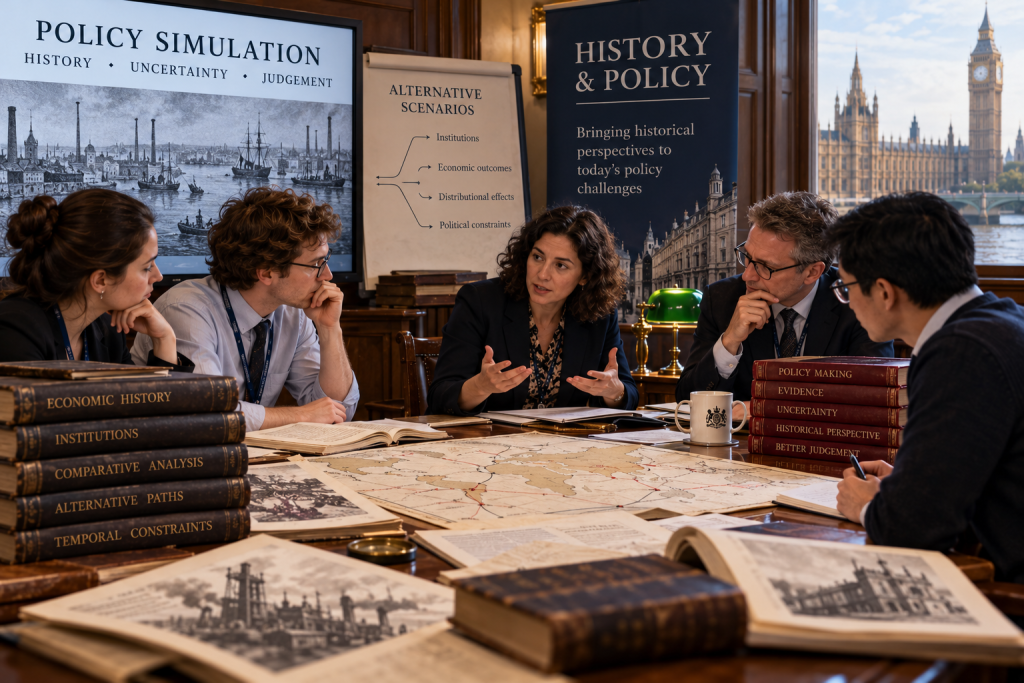
Abstract: This paper examines how applied history can contribute to policymaking when understood as a way of structuring judgement under uncertainty rather than as a source of policy lessons or predictions. It argues that economic history is particularly well suited to facilitating this role because it combines institutional analysis with disciplined comparison of plausible alternatives […]
Economic history and the future of pedagogy in economics

Abstract: Economic history is integral to the study of economics and economies. Besides providing students with a valuable long-run perspective on the modern world, the field also helps them to better understand the contingency of economic theory. Despite a newfound interest in economic history among economists, teaching and learning in economic history at undergraduate level […]
What can we learn from historical pandemics? A systematic review of the literature

Abstract: What are the insights from historical pandemics for policymaking today? We carry out a systematic review of the literature on the impact of pandemics that occurred since the Industrial Revolution and prior to Covid-19. Our literature searches were conducted between June 2020 and September 2023, with the final review encompassing 169 research papers selected […]
More talk, less chalk: Communicating economics in the modern classroom

Abstract: “Communicating Economics” is a first-year undergraduate course, which explores the range of ways in which economics is communicated. Its second purpose is to impart core communication skills to new economists. I set out my approach to teaching this new course, focusing on a sequence of lectures and small-group discussion classes which are all about […]
Should History Change The Way We Think About Populism?

Abstract: This paper asks whether history should change the way in which economists and economic historians think about populism. We use Müller’s definition, according to which populism is ‘an exclusionary form of identity politics, which is why it poses a threat to democracy’. We make three historical arguments. First, late 19th century US Populists were […]
Bubbles in History

Abstract: Bubbles have become ubiquitous. This ubiquity has stimulated research over the past three decades into bubbles in history. In this article, we provide a systematic overview of research into historical bubbles. Our analysis reveals that there is no coherent approach to the study of bubbles and much of the debate has unhelpfully focussed on […]
Weber Revisited: The Protestant Ethic and the Spirit of Nationalism
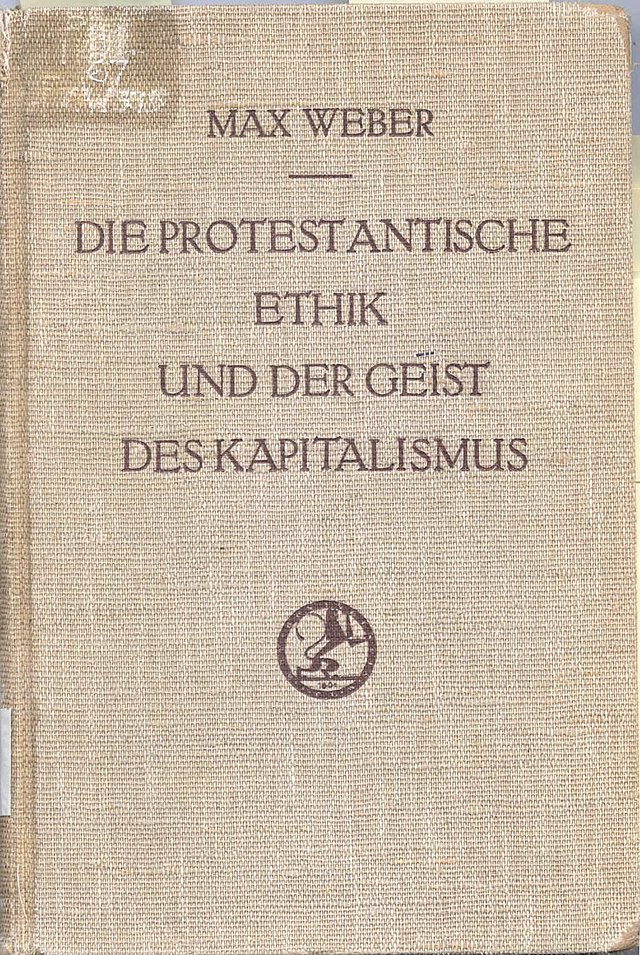
Abstract: We revisit Max Weber’s hypothesis on the role of Protestantism for economic development. We show that nationalism is crucial to both, the interpretation of Weber’s Protestant Ethic and empirical tests thereof. For late nineteenth-century century Prussia we reject Weber’s suggestion that Protestantism mattered due to an “ascetic compulsion to save.” Moreover, we find that […]
An Economist’s Guide to Economic History

Blurb: Without economic history, economics runs the risk of being too abstract or parochial, of failing to notice precedents, trends and cycles, of overlooking the long-run and thus misunderstanding ‘how we got here’. Recent financial and economic crises illustrate spectacularly how the economics profession has not learnt from its past. This important and unique book […]